On the 4th March 2026, we welcome professionals and experts by experience to the Assembly Rooms to explore how we support falls prevention within South Devon and Torbay.
The aim of this sessions was to look at what we can all do across all parts of our health and care system, and community to prevent more falls.
The introduction to this session was shaped by a presentation from a carer and her experiences of caring for her parents and their falls. The impact of this role on her as a carer, helped to shape the conversations that took place and kept the person experiencing falls and those close to them central to discussions.
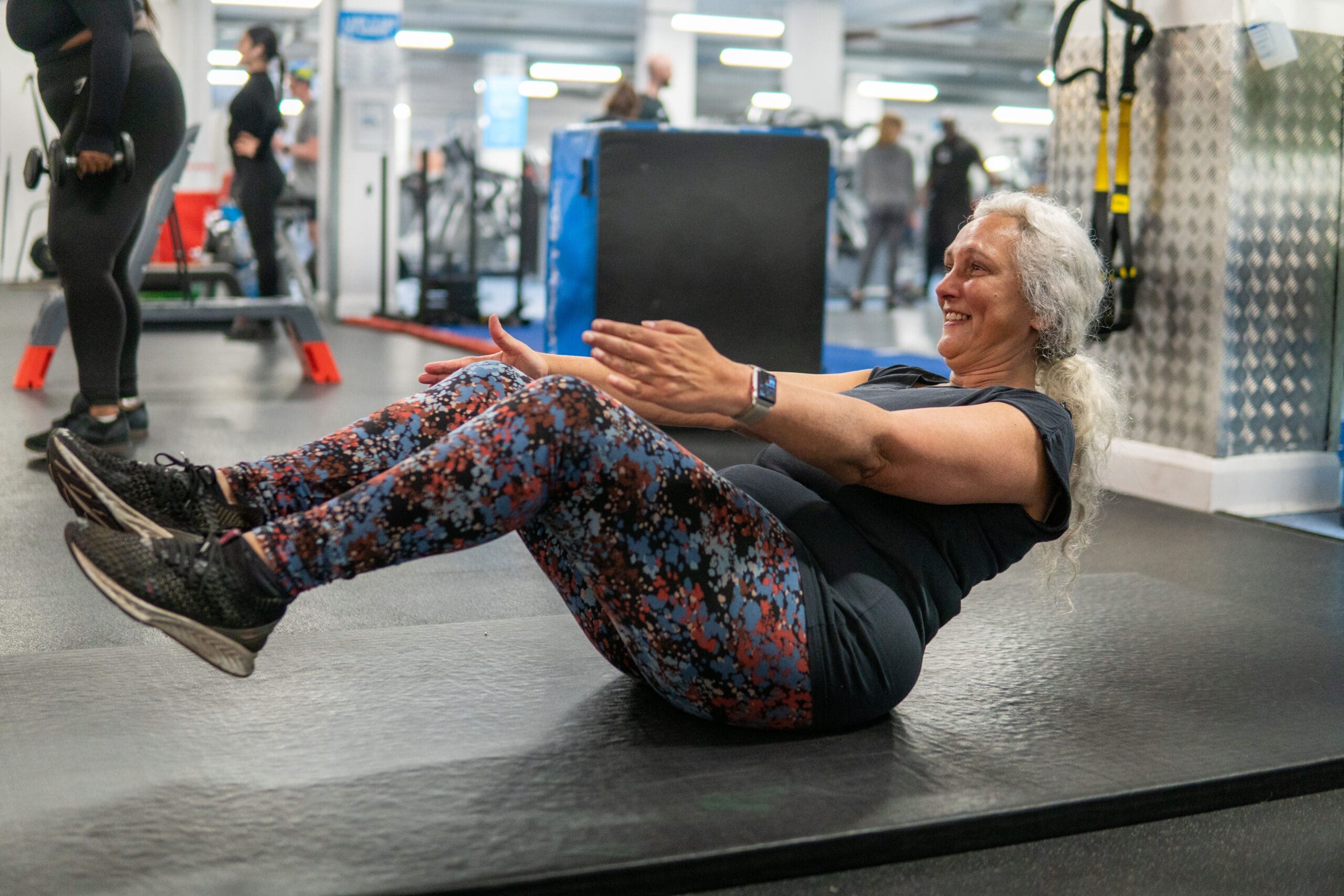
Why are falls important?
As we get older or if we have mobility problems, falls not only hurt and cause injuries but they can also lead to us losing our independence. As we get older we can find we become weaker, our eye sight worsens or we develop conditions such as osteoporosis – this can increase the chances of a fall and subsequent injuries.
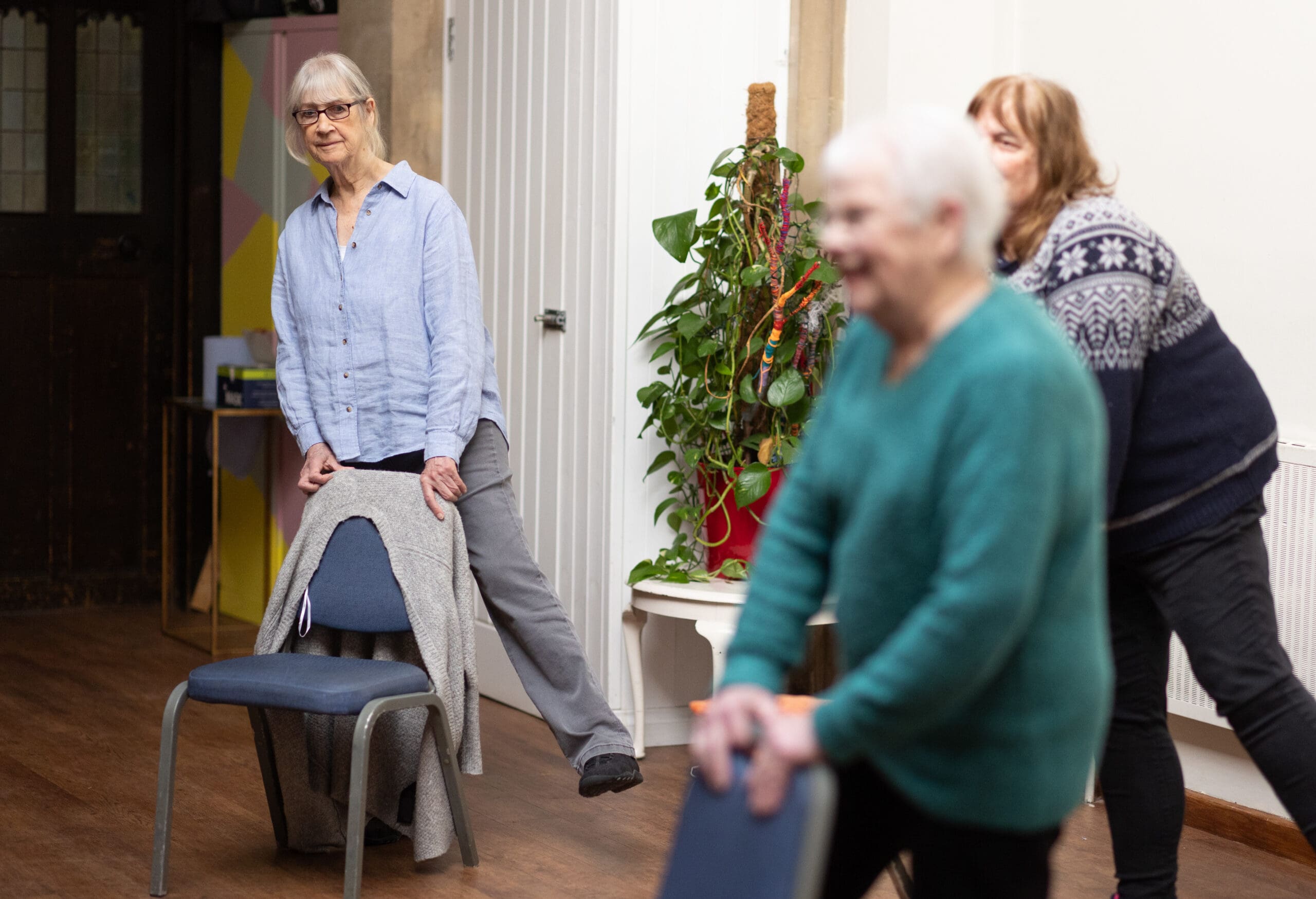
What have we got? What are the gaps?
Across the morning, using inspiration from the South West Model of Care, we looked at:
Health promoting neighbourhoods
Activities that could happen in our communities, for example within homes, the built and natural environments, sports and leisure facilities, business and work.
Proactive neighbourhood health and care
Actions that could happen in community health and care settings – thinking about primary care, pharmacies, minor injuries unit, district nursing, physiotherapy, occupational health, domiciliary care, care homes and more.
Proactive urgent, emergency and hospital care
Actions that could happen in or around more acute settings – A&E, Virtual Ward, Frailty Hub, inpatient wards, hospital admissions and discharge, intermediate care.
Some of the themes that came out of the day:
Be informed
There are lots of things we can all do at all ages to prevent falls and frailty in later life. Getting the message out there about how to keep ourselves healthy is really important.
Be curious
Ask about falls not just when a person tells you they have experienced a fall but also opportunistically.
Think about the whole person
Many things contribute to the risk of falls. Look at blood pressure, diet, dizziness, feet and footwear, hearing and eyesight, health conditions, medications and home hazard, just to name a few!
Do the evidence based stuff – strength and balance
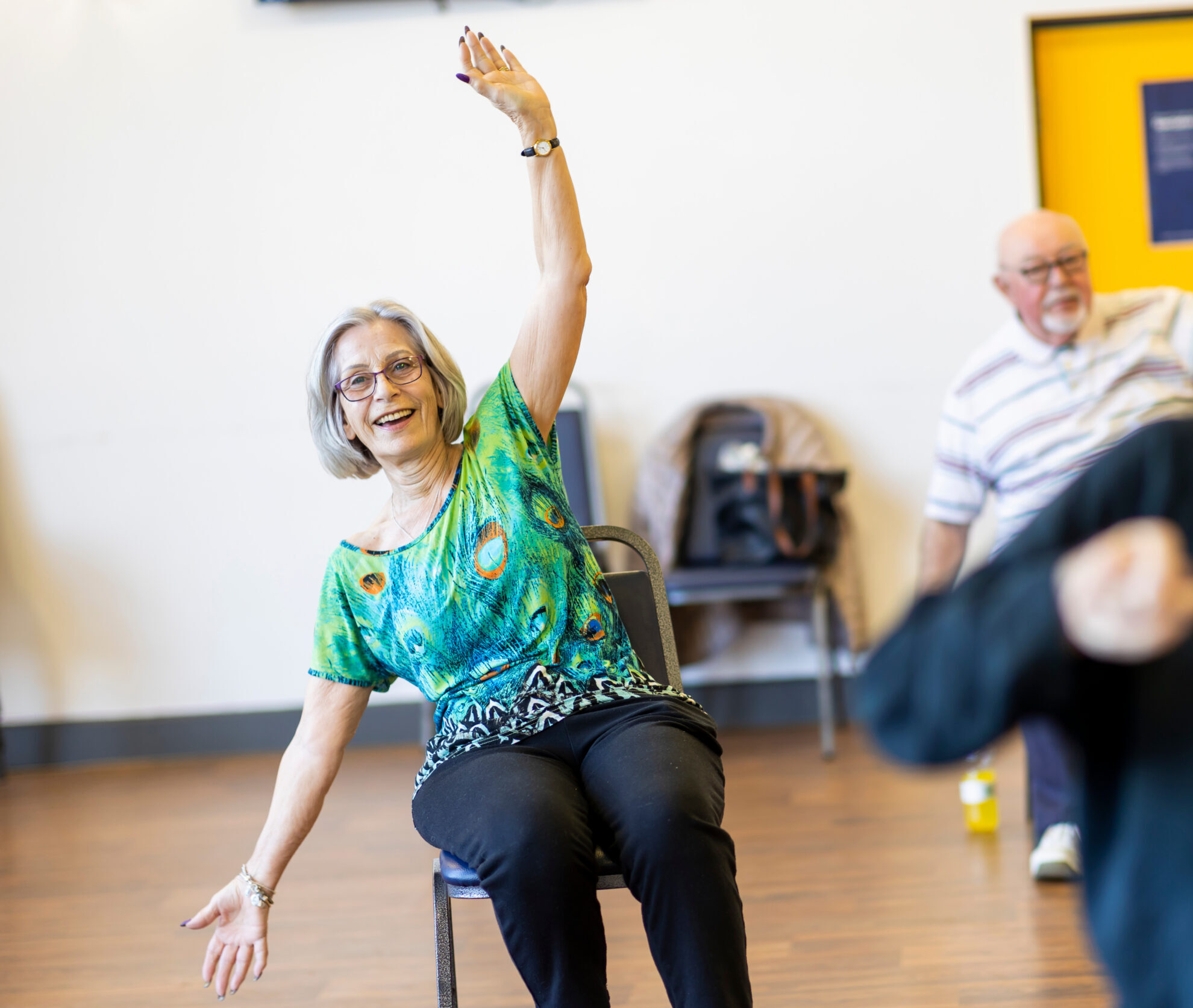
Attending strength and balance classes (like FaME) is one of the best ways to prevent falls, and being part of a class helps make keeping healthy also fun.
Next steps
We produced a lot of data that was then voted on for the priorities to be taken forward by the Healthy Ageing Partnership – these are currently being themed in readiness for a framework to be developed alongside an action plan.
Have we got you thinking about your own falls prevention plan?
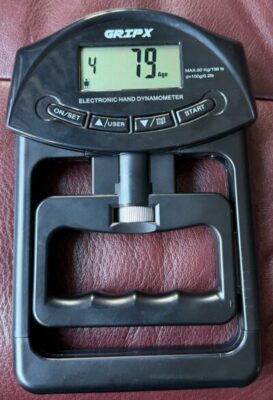
Grip Strength
As part of this event, a health colleague tested attendees grip strength using a grip meter. This tool measures your grip strength for your age.
Low grip strength is linked to:
- Higher risk of falls
- loss of independence
- chronic disease
Exercises to improve include:
- Dead hangs or farmer’s carries
- Using a hand gripper
- Carry your shopping instead of pushing a trolley.
Leading by example
Testing our grip strength led to discussion on how to improve our strength and balance to prevent falls.
Andy Simpson, Public Health and Personalised Care Manager for Torbay and South Devon NHS Foundation Trust took the group through some strength and balance exercises.
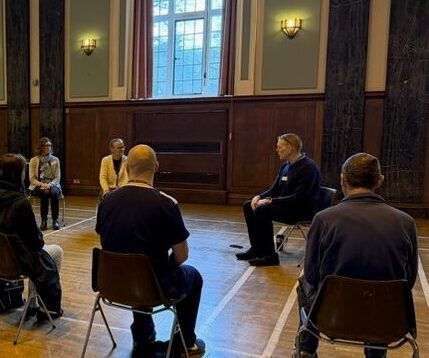
Any amount of physical activity is better than none…
Ideally aiming for 150 minutes of moderate intensity aerobic activity a week.
It is important to include strength and balance within this – Chief Medical Officer recommends twice a week for this type of activity.
This can include accessing:
- FaME – Falls Management Exercises for older adults (see leaflet at the end of this post) – 24 week course
- Otago – strength and balance programme
- Tai Chi
Fancy having a go?
Below are videos, links and further reading to support you in increasing your own strength and balance.
Steady on Your Feet – Devon is a campaign led by the NHS and local authorities to help increase confidence and reduce the risk of falls.
Exercise and Physical activity for bone health – from the Royal Osteoporosis Society
