
What is ageing?
We can look at ageing in different ways
Click on each of the sections below to find out more.
Chronological ageing is what we usually think of when we say how old we are.
It’s the number of years we have lived.
Biological ageing reflects how well our bodies and brains function as we age.
Our biological age varies due to things like our genes, our lifestyles, and our surroundings.
This is why two people of 70 may have very different physical health or brain function.

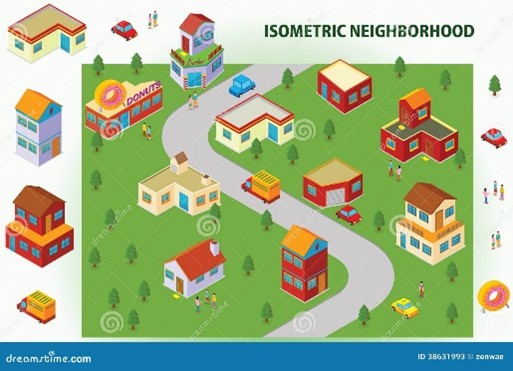
Our environment – the air we breathe, the street we live in, the transport we use – can help us to age healthily, or make it more difficult for us to be active and live independently.
We might call this ‘environmental ageing’.
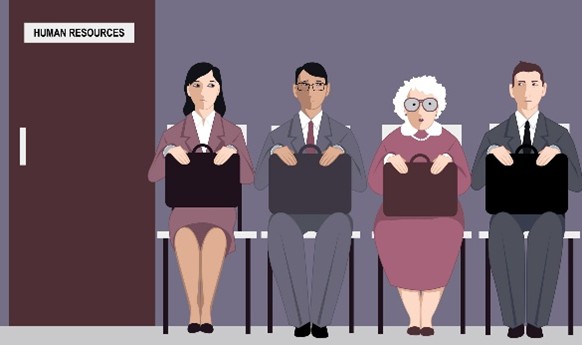
Society’s attitudes towards ageing are also important.
These can influence how we experience ageing.
In some cultures, ageing is respected and associated with wisdom. In others it is seen more negatively, leading to ageism and discrimination.
Ageing is inevitable, frailty is not
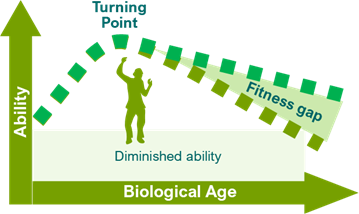
Fitness starts to decline from the late twenties or early thirties. But ageing by itself is not necessarily a cause of major problems until we reach our eighties or nineties[1,2]. If we have a basic level of fitness, then each new challenge – another decade of life, a chronic health condition – is manageable. If we are less fit, we decline more quickly when we get ill, have a fall, or simply get older.
Let’s look at this in more detail.
What is healthy ageing?
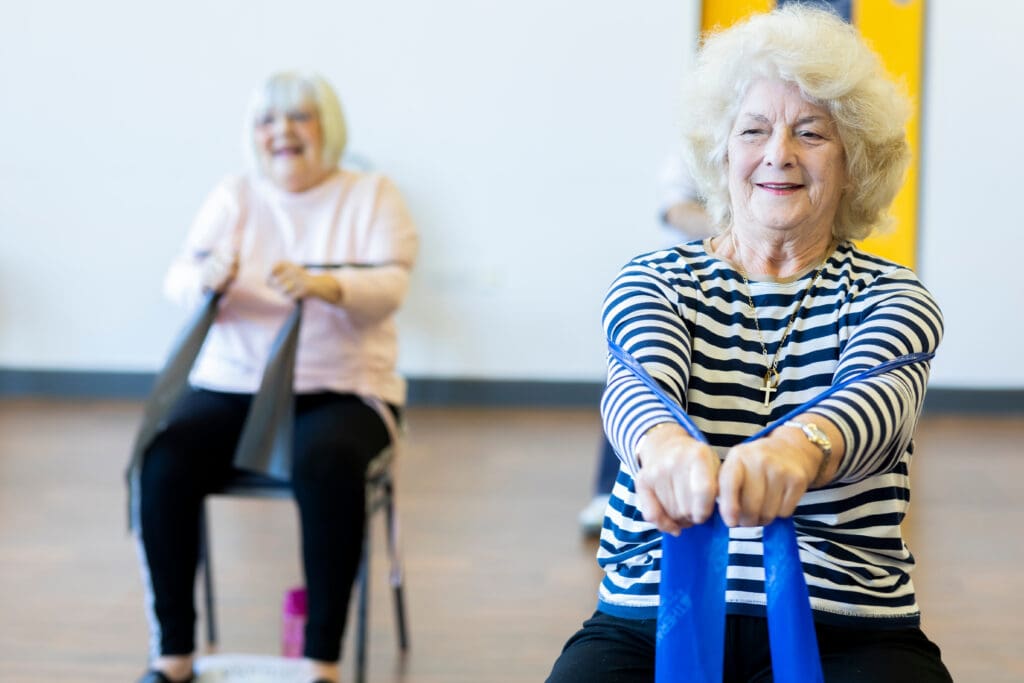
Healthy ageing is about closing the fitness gap – promoting good physical, mental, cognitive and social health as we grow older.
It doesn’t mean being free from disease or disability.
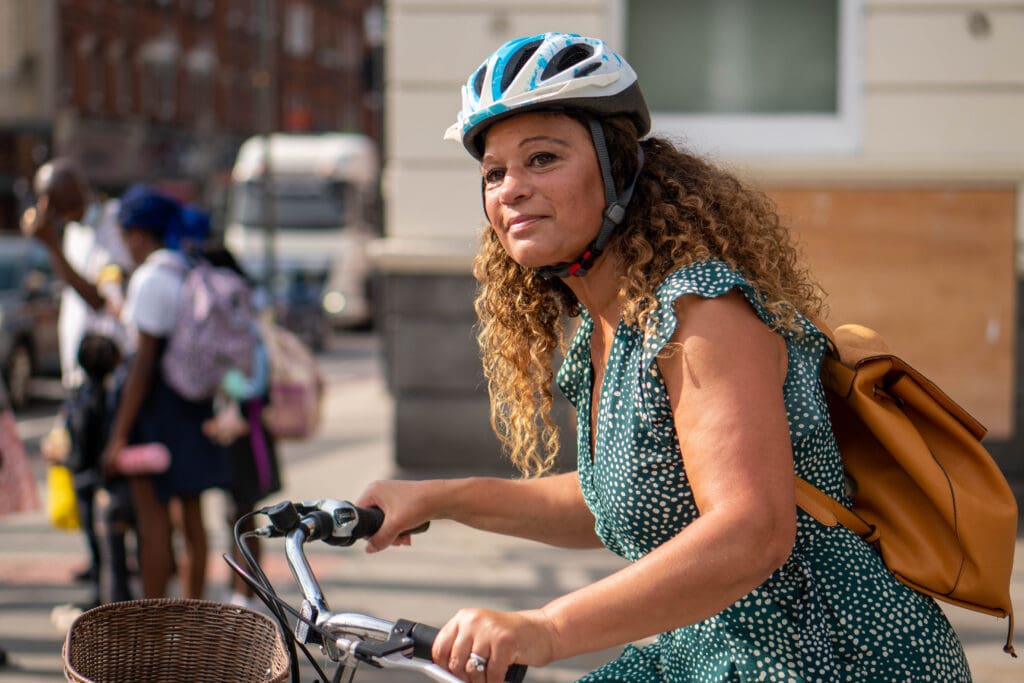
It does mean living in an environment that supports us as we age, with a secure home, friends, access to healthcare, activities and amenities.
Four Domains of Healthy Ageing

[1] Oxford Longevity Project. (ND), Available online at: Understanding ageing — Oxford Longevity Project
[2] World Health Organisation. (2025). Ageing and Health [online]. Available at: https://www.who.int/news-room/fact-sheets/detail/ageing-and-health
